Description
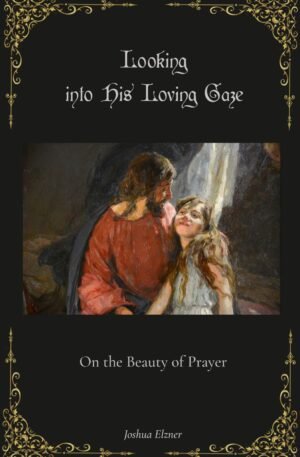
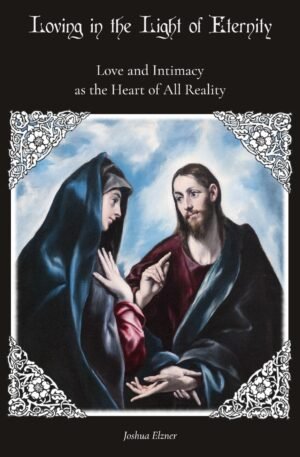
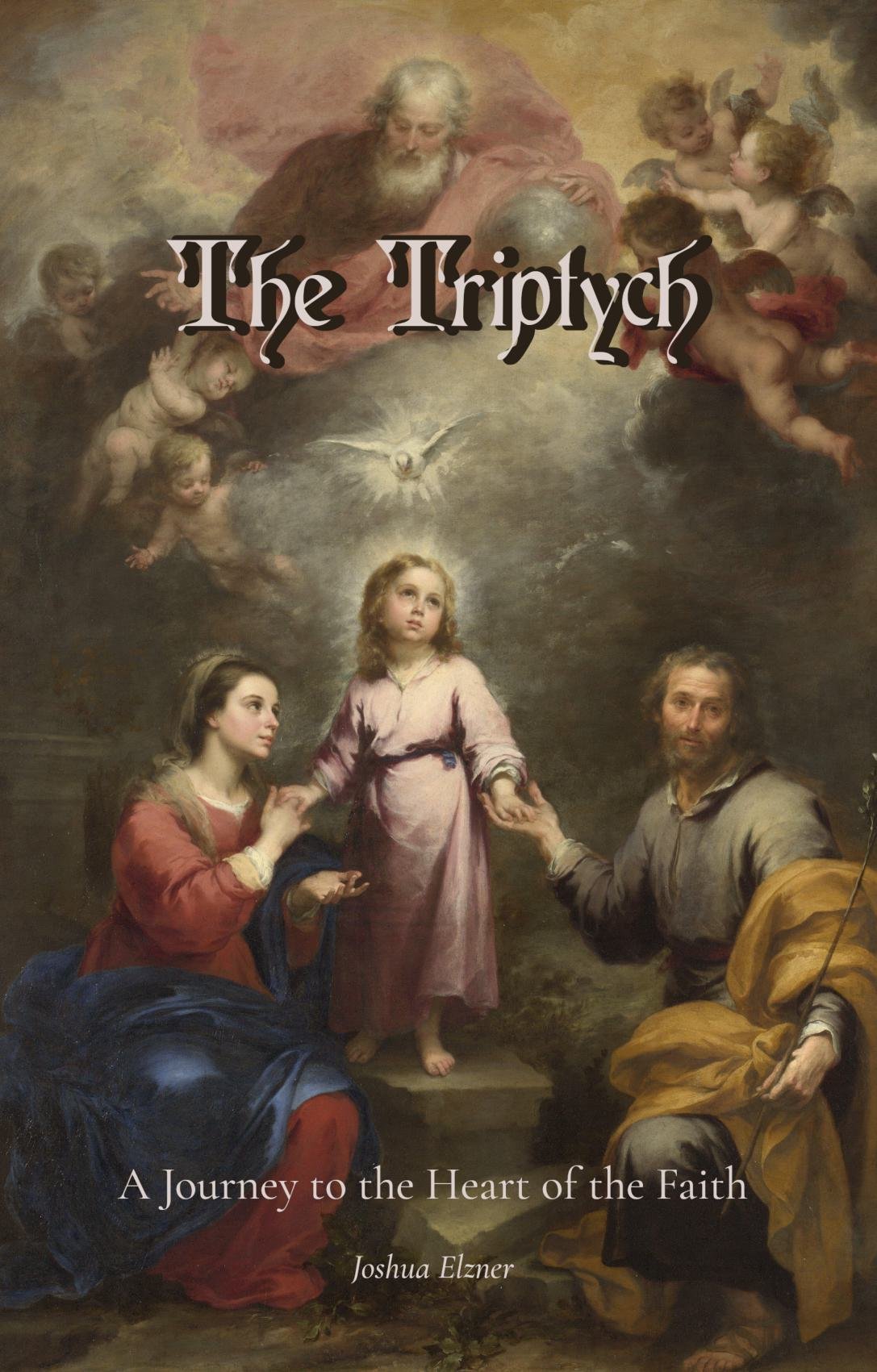
These three books can be understood as a triptych, a three-paneled image centered upon the hinge-point of Christ, with his earthly mother and father standing on either side. In precisely this triune manner, reflecting the eternal nature of God as Trinity as a kind of icon or imagine, this triptych humbly seeks to illustrate the central realities of our human existence bathed in the light of God’s grace, allowing us thus to draw near to the center-point where all fulfillment is found in the everlasting embrace of the Father, Son, and Holy Spirit.
On the one hand, we have the irradiation of God’s beauty into this world in and through Mary, the Immaculate One who reflects the primordial beauty of God more than any human creature ever has. She stands before God in the virginal-bridal stance of perfect receptivity and reciprocity, thus allowing the whole of creation itself to be lifted up, carried, and fulfilled in her in union with God. Joseph, on the other hand, finds himself caught up in a mystery that so far surpasses him, and yet which cradles him with incredible tenderness and intimacy, and all the resources of his humanity are harnessed in sheltering and loving the Blessed Virgin and the Child conceived and born of her. Thus he is a custodian of the mysteries of God, and he invites all of us to “step into his shoes,” to learn to love as he loved, and indeed also to entrust ourselves to his care, to be sheltered and loved, fathered and protected by him, just as were Mary and Jesus.
These two persons teach us so much! Of course we can never adequately speak of one without deeply addressing the other as well, since their lives were so beautifully united, inseparable, not merely on the basis of natural marriage, but on the basis of their virginal communion in the sight of the Trinity and their radical, total participation in the salvific mystery which is Christ. Even in the complementarity of their masculinity and femininity, Joseph and Mary teach us so much, casting light deeply into our own existence and experience of life. These two poles of reciprocal relationship were, after all, designed by God himself to be a manifestation of the nature of all love, and, even if inadequately, to be a sign of the very inner life of the Trinity as Father, Son, and Holy Spirit. Masculine and feminine: donation and reception, tender strength and strong tenderness, outpouring gift and womb-like sheltering, begetting and bringing-to-birth. The path back into the heart of our loving God passes by way of the dual “road” of masculinity and femininity, understood and lived in their original, God-ordained meaning and beauty—and yet both also lead to the innermost sanctuary where they converge in the virginal mystery in which we all stand naked, in the solitary sanctuary of the heart, before God.